
Green Hydrogen
- Jitisha Hiremath
- Jul 9, 2023
- 3 min read

Updated: Jun 10, 2024
The Entire debate on climate change culminated at the "In Our Hands Summit" in 1992 in the shape of the Rio Earth Summit. Where the world recognizes the collective efforts of Combation Global Warming & Climate Change and Where Green House Gases (GHG) Emissions were rooted as the main cause of all Environmental Issues.
Intended Nationally Determined Contributions (INDCs)
UN Framework Convention on Climate Change Conference (UNFCC) Conference of Parties (COP 21).
The long-term goal of the Paris Agreement is to keep the average global climate below 2 degrees Celsius.
It aims to achieve India a Net zero target by 2070.
Net-Zero Emissions:-
Net-Zero emissions will be achieved when all GHG Emissions released by humans are counterbalanced by removing GHG from the atmosphere in a process known as Carbon Removal.
First human-caused emissions ( Such as those from fossil-fueled vehicles and factories) should be reduced as close to zero as possible.
Any remaining GHGs should then be balanced with an equivalent amount of carbon removal, which can happen through restoring forests or using Direct Air Capture & Storage (DACS) technology, etc.
India's approach to achieving Non-Zero emission:-
Five nectar elements (Panchamrit) of India's Climate action:
Reach 500 GW of Non-fossil energy capacity by 2030.
50% of its energy requirements from renewable energy by 2030.
Reduction of total projected carbon emissions by one billion tons from now to 2030.
Reduction of the Carbon intensity of the economy by 45% by 2030, over 2005 levels.
Achieving the target of net-zero emissions by 2070.
Significance of Hydrogen as Fuels:-
Prospect as a future fuel:
According to the International Renewable Agency, Hydrogen will make up 12% of the Energy mix by 2050 in its world Energy Transitions Outlook also suggested that almost 66% of the energy used here should come from water rather than Natural Gas.
2. Hydrogen as an energy-rich source:
Abundancy
Energy Density
Energy storage option.
3. Even, India becomes a favorable place for using Hydrogen as a fuel.
Types of Hydrogen:-
Black Hydrogen- Released by Fossil Fuels
Pink Hydrogen- Produced by Electrolysis but done through Nuclear Power.
Brown Hydrogen- Produced by Coal
Grey Hydrogen- Produced through the combustion of Natural Gas
Blue Hydrogen- Also, produced by Natural Gas but here the gas is captured via carbon sequestration in Grey hydrogen, and it was released back into the air.
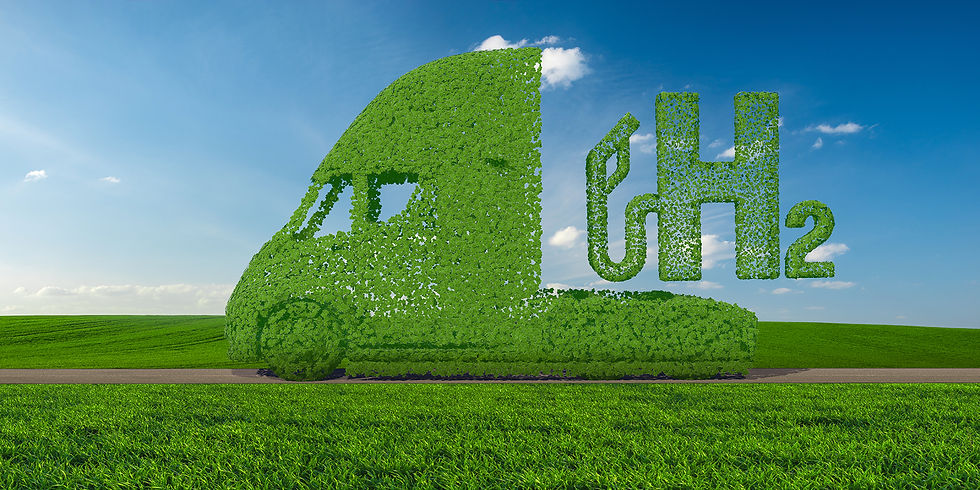
Green Hydrogen- Zero carbon fuel emitted by electrolysis of renewable energy of water by separating Hydrogen & Oxygen.
Green Hydrogen is highly beneficial to achieve the target of Net-Zero emissions but notes that less than 1% of Energy used in India is Green Hydrogen.
Benefits of Using Green Hydrogen for India:-
High Energy Demand- India is the 4th Largest Energy Consumer after China>US>EU>India but it is estimated that it will overtake the EU and become the 3rd Largest Energy Consumer.
Transition to Clean Energy- Through Paris Climate Agreement it is estimated to reduce 33-35% from 2005 levels by 2030.
Reduction in Import Dependency- It will reduce Import Dependency of Fossil Fuels.
Indigenization of Technology- As the usage of Electrolysers and E-Technology.
Challenges in the Development of Hydrogen Energy:-
Technology
Prohibitive Costs
Manufacturing and development of electrolyzers
Cost-Competitive with conventional fuels.
Expensive fuel cells.
Way Ahead:-
Investment in Research& Development- Product, storage, Transport, Demand Development.
Learnings from the initiatives from around the world- by their experiences or activities.
Adoption of Renewable circular sustainable fuel utilization cycle.


Comments